You’ve probably heard the word “inflammation” a lot, often alongside claims about foods that cause it or cure it. In this article, I’ll explain what chronic inflammation actually is, what causes it, why it matters, and what the evidence says about reducing it.
What is inflammation?
Inflammation is part of your body’s natural healing response. When your immune system detects an injury, infection or something harmful, it sends white blood cells to the area and releases chemicals that increase blood flow. That’s what causes the redness, heat and swelling you notice around a cut or a sore throat. This short-term response is called acute inflammation, and it’s essential for fighting infections and repairing damaged tissue.
Chronic inflammation is different. It happens when the immune system stays switched on for months or years, even when there’s no clear threat. Over time, this ongoing response can damage healthy cells and tissues.
Not all chronic inflammation is the same
Inflammatory conditions like rheumatoid arthritis, inflammatory bowel disease (Crohn’s and ulcerative colitis), psoriasis and asthma are caused by the immune system attacking the body’s own tissues or overreacting. Genetics play a big role, and these conditions need medical diagnosis and treatment. A healthy lifestyle can help support them, but it doesn’t cause or cure them.
Low-grade chronic inflammation is a mild, body-wide inflammation that builds up quietly over time. It’s strongly linked to lifestyle factors, and it’s the type this article focuses on.
What causes low-grade chronic inflammation?
There are several things that can contribute, and they often overlap:
Excess body fat
This is one of the biggest drivers. Fat tissue, especially fat stored around the tummy and organs, releases inflammatory chemicals. This is a big part of why excess weight is linked with so many health conditions.
Lack of physical activity
Regular exercise has an anti-inflammatory effect, and people who are more active tend to have lower levels of inflammation. Long periods of sitting are linked with higher levels.
Diet
Diets high in ultra-processed foods, sugary foods and drinks and processed meat, and low in fibre, fruit and vegetables, are linked with higher levels of inflammation. Low-fibre diets can also affect your gut bacteria, which play an important role in regulating your immune system.
Poor sleep
Regularly not getting enough sleep is linked with higher levels of inflammation.
Chronic stress
Your stress hormone, cortisol, normally helps keep inflammation in check. But when stress goes on for a long time, your body can become less responsive to it, which allows inflammation to build up.
Smoking, alcohol and air pollution
Smoking is one of the strongest lifestyle causes of chronic inflammation. Drinking too much alcohol can damage the liver and gut lining, which also triggers inflammation. Long-term exposure to air pollution is linked with higher levels too.
Ageing
Inflammation naturally tends to rise as we get older, which is sometimes called “inflammageing”. This is another reason healthy habits become even more important with age.
Why does it matter?
Low-grade chronic inflammation doesn’t cause these conditions on its own, but it’s thought to play a role in many of the most common long-term health conditions, including:
- Heart disease and stroke, as inflammation contributes to the build-up of plaque in the arteries
- Type 2 diabetes, as inflammation can contribute to insulin resistance
- Some cancers
- Dementia and cognitive decline
- Depression
Symptoms and testing
Low-grade chronic inflammation usually has no obvious symptoms, which is why many people don’t know they have it. You might see lists online linking it to tiredness, aches and pains, poor sleep or digestive problems, but these symptoms have lots of possible causes, so they can’t tell you whether you have inflammation.
The most common way to measure inflammation is a blood test for C-reactive protein (CRP). There’s no single test that diagnoses chronic inflammation, though, and a raised result can have many causes, like a recent infection. If you’re worried about any symptoms, it’s always best to speak to your GP.
How to reduce chronic inflammation
The good news is that the biggest drivers of low-grade inflammation are things you can change. Here are the habits with the strongest evidence:
- Move more: aim for at least 150 minutes of moderate activity a week, plus strength exercises at least twice a week.
- Work towards a healthy weight: if you’re carrying extra weight, especially around your tummy, losing even a small amount can help lower inflammation. Check out my tips for sustainable weight loss.
- Prioritise sleep: aim for 7 to 9 hours of good quality sleep a night.
- Manage stress: things like mindfulness, breathing exercises, time in nature and connecting with others can all help.
- Stop smoking: it’s one of the best things you can do for your health. The NHS has free support to help you quit.
- Limit alcohol: in the UK, it’s advised to drink no more than 14 units a week, and in Australia no more than 10 standard drinks a week.
- Eat a balanced, mostly plant-based diet: more on this below.
What about an anti-inflammatory diet?
There’s no single “anti-inflammatory diet”, and no one food will reduce inflammation on its own. What matters most is your overall eating pattern. Mediterranean-style and plant-based diets are linked with lower levels of inflammation, and they share a lot in common:
- Plenty of fruit and vegetables: they’re packed with fibre, vitamins, minerals and antioxidants. Aim for a variety of colours.
- Wholegrains: like oats, brown rice, quinoa and wholegrain bread, which are rich in fibre.
- Beans, lentils and soy foods: great sources of protein and fibre.
- Nuts and seeds: they provide fibre, healthy fats and a range of nutrients.
- Healthy fats: use olive oil and rapeseed oil as your main oils, and make sure you’re getting enough omega-3. If you don’t eat oily fish, an algae oil supplement is recommended.
- Fewer ultra-processed foods: limit things like processed meat, sugary drinks, sweets, pastries and fried foods.
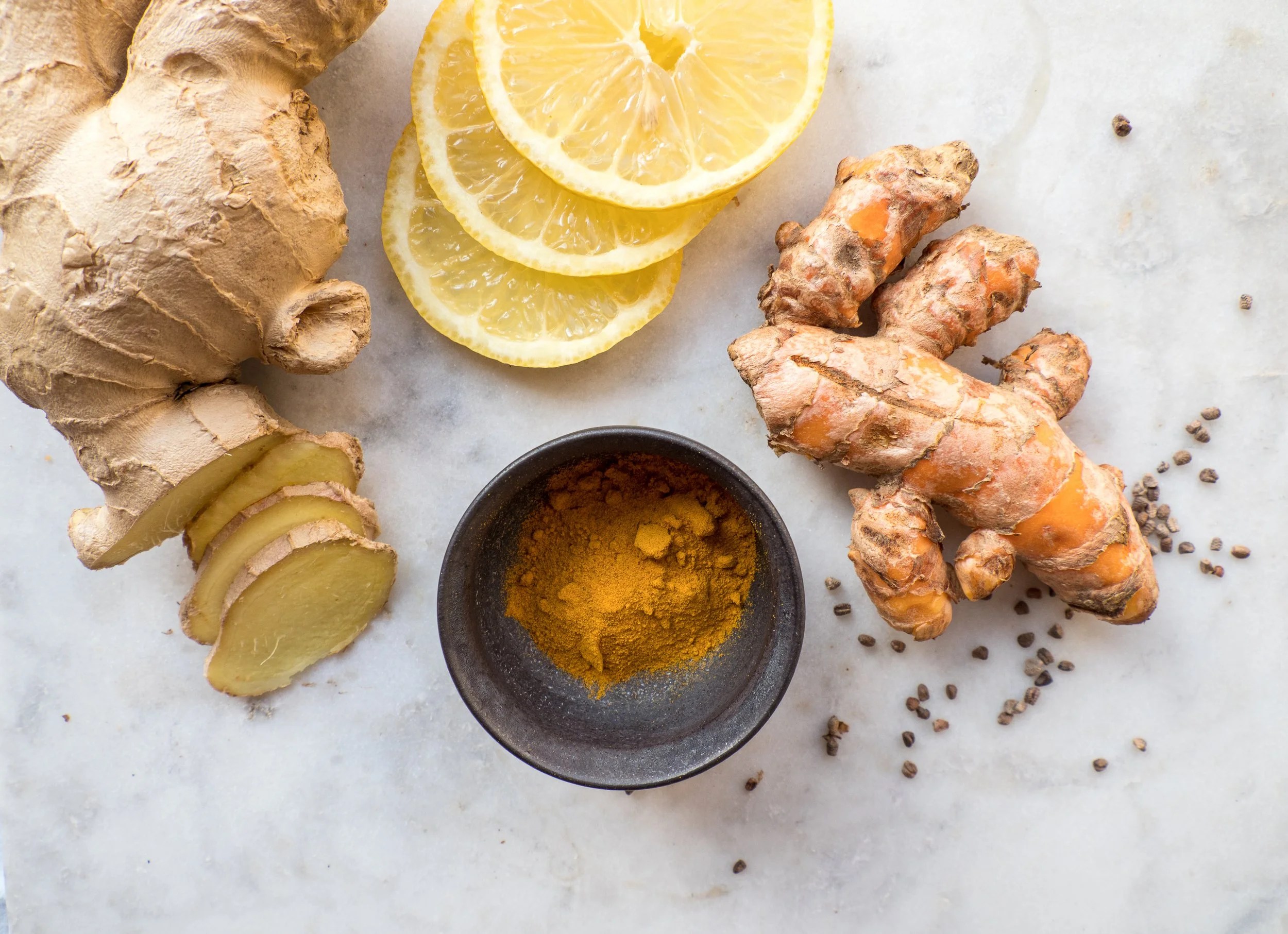
You’ve probably also seen turmeric, ginger and garlic described as anti-inflammatory. They’re a great way to add flavour, but the amounts we use in cooking are unlikely to make a big difference to inflammation. Some studies on turmeric (curcumin) supplements show small effects, but the evidence is mixed, and supplements can interact with some medications, so speak to your GP before taking them.
If you have an inflammatory condition, eating well and staying active can help you feel better, but they’re not a replacement for medical treatment. Always speak to your GP or specialist before making changes to any medication.
Summary
Inflammation is a natural and essential part of healing, but when it becomes chronic, it can contribute to many long-term health conditions. Low-grade chronic inflammation is strongly linked to lifestyle, and the biggest drivers are excess body fat, inactivity, smoking, poor sleep, stress and a diet low in fibre and high in ultra-processed foods.
The good news is that small, consistent changes can make a real difference. Moving more, sleeping well and eating a varied, mostly plant-based diet are some of the best things you can do. If you’d like support with your diet, you can get in touch with me here.


Leave a Reply