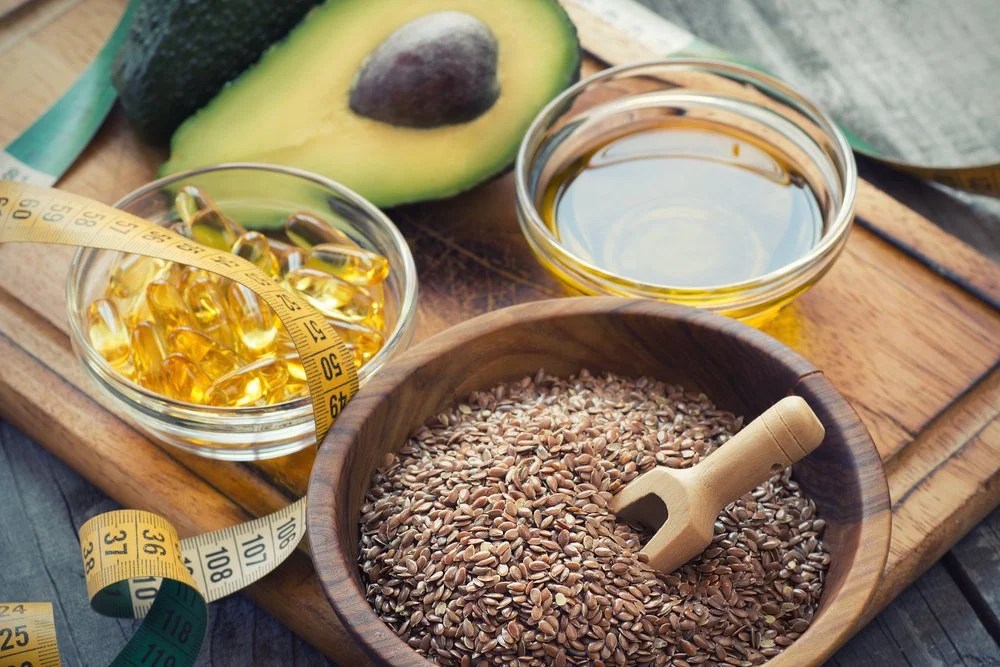
Following a plant-based diet comes with many health benefits, but it does need a bit more planning to make sure you’re getting all the nutrients your body needs. Omega-3 is one of the handful of nutrients that can be harder to get enough of, as the main sources are marine. This article will guide you through the best vegan sources, and why I recommend an algae oil supplement to anyone who doesn’t eat oily fish.
Types of omega-3 fatty acids
There are three main types of omega-3:
- ALA (alpha-linolenic acid), found in plant foods
- EPA (eicosapentaenoic acid), mainly found in oily fish and algae
- DHA (docosahexaenoic acid), mainly found in oily fish and algae
Health benefits
ALA is an essential fat, meaning the body needs it but can’t make it on its own. The body can make some EPA and DHA from ALA, but only in small amounts (more on that below). Omega-3s have a range of potential health benefits, including:
Heart health
EPA and DHA can lower triglycerides (a type of fat in the blood), although this effect is mainly seen at higher doses of 2 to 4g a day. Higher omega-3 intakes are also linked with a lower risk of heart disease.
Brain health
They’re important for brain health and development, especially DHA. Higher omega-3 intakes have been linked with a lower risk of cognitive decline and depression, although trials giving supplements to people who already have Alzheimer’s disease have shown little benefit.
Joint health
They may help reduce joint pain and stiffness by lowering inflammation in the body, which can be especially helpful for people with rheumatoid arthritis. The benefits in studies are mostly seen at higher doses.
Eye health
DHA is a major component of the retina, so getting enough is important for healthy eyes.
Skin health
Their anti-inflammatory effects may support skin barrier function, and they’re being studied for conditions like eczema and psoriasis, but the evidence so far is mixed.
Pregnancy and infant development
They’re essential for foetal brain and eye development, so pregnant women are advised to get a little extra DHA. Research has found that getting enough omega-3s may support infants’ cognitive and visual development.
How much do I need?
Recommendations for EPA and DHA vary between countries:
- UK: there’s no official recommendation. Instead, the advice is to eat 2 portions of fish a week, one of them oily, which was estimated to provide around 450mg of EPA and DHA a day.
- Europe: 250mg of EPA and DHA a day for adults, with an extra 100 to 200mg of DHA during pregnancy and breastfeeding.
- Australia and New Zealand: the adequate intake is 90mg a day for women and 160mg for men. To help reduce the risk of chronic disease, the suggested target is higher, at 430mg for women and 610mg for men.
- US: there’s no recommendation for EPA and DHA, only for ALA (1.1g a day for women and 1.6g for men).
ALA needs are easy to meet on a plant-based diet, with just one tablespoon of chia seeds or flaxseeds covering them. EPA and DHA are harder, as the main food source is oily fish. So if you’re vegan, vegetarian or just don’t eat oily fish regularly, a good quality algae oil supplement should be taken daily.
Why I recommend an algae oil supplement
This isn’t just for vegans. Vegetarians don’t get EPA and DHA from their diet either, and lots of people don’t eat oily fish, whether that’s for ethical or environmental reasons, allergies, or simply because they don’t like it. If that’s you, this is one of the most important supplements you can take. Here’s why:
- There are no reliable plant foods that provide EPA and DHA.
- Your body can only convert a small amount of ALA into EPA and DHA, even if you eat plenty of it.
- Studies show vegans and vegetarians tend to have lower EPA and DHA levels in their blood than people who eat fish.
- Algae oil is where fish get their omega-3s from in the first place, so you’re going straight to the source.
What to look for: check the label for how much EPA and DHA it provides per serving (not just the total amount of oil), and compare it with the recommendations above. Taking it with a meal that contains some fat helps your body absorb it. If you’re pregnant or breastfeeding, speak to your GP or midwife about how much you need.
Sources
ALA is found in lots of plant foods, but EPA and DHA, the most biologically active forms, mainly come from marine sources. The body can convert ALA into EPA and DHA, but the conversion rate is low and only small amounts are made. That’s why it’s important to get EPA and DHA from an algae oil supplement, as well as eating plenty of ALA-rich foods. Here are the best plant-based sources:
Flaxseeds
An excellent source, with one tablespoon of whole flaxseeds containing around 2.4g of ALA. They’re also high in lignans, which have been linked to a lower risk of breast cancer. Grind them first, as the body struggles to digest them whole.
Chia seeds
Another great source, with one tablespoon containing around 1.8g of ALA. They’re also rich in fibre, protein and antioxidants.
Hemp seeds
A good source, with one tablespoon containing around 0.8g of ALA. They’re also rich in protein and a good source of magnesium.
Walnuts
One serving (around 28g) contains around 2.5g of ALA. They’re also rich in antioxidants and fibre, which support a healthy gut.
Rapeseed oil
One of the easiest everyday sources, with one tablespoon containing around 1.3g of ALA. Using rapeseed oil instead of sunflower or corn oil is a simple way to boost your intake.
Algae oil
This is made by extracting oil from algae grown in controlled conditions, and it’s the most reliable vegan source of EPA and DHA. Algae are actually where fish get their omega-3s from in the first place. The amount varies a lot between brands, often between 250mg and 500mg of EPA and DHA combined per serving, so check the label.
Other sources
Brussels sprouts, edamame, tofu and leafy greens contain smaller amounts of ALA. You might also see seaweed listed as a source of EPA and DHA, but the amounts in a typical serving are tiny, so it won’t make a meaningful difference to your intake.
What about omega-6?
Omega-6 fats are found in many plant oils, such as sunflower, corn and soybean oil, as well as in nuts and seeds. You might have heard that omega-6s are inflammatory and that you need a specific omega-3 to omega-6 ratio, but current evidence doesn’t support this. Omega-6 fats haven’t been shown to increase inflammation, and higher intakes are linked with a lower risk of heart disease.
You might also have seen seed oils like sunflower, rapeseed and soybean oil called “toxic” on social media. This mostly comes from the old idea that omega-6 causes inflammation, and the evidence doesn’t back it up. In fact, swapping butter and other saturated fats for these oils is linked with a lower risk of heart disease. The real issue is that seed oils often turn up in ultra-processed and fried foods, which are best kept to a minimum anyway, but that’s down to the foods themselves, not the oil.
For vegans, the focus should be on getting enough omega-3 rather than cutting out omega-6. Very high omega-6 intakes may slightly reduce how much ALA your body converts into EPA and DHA, so rapeseed oil and olive oil are good choices for your everyday oils.
Summary
Getting enough omega-3s on a plant-based diet is possible with the right food choices and a supplement. Including ALA sources like ground flaxseeds, chia seeds, hemp seeds, walnuts and rapeseed oil gives your body a good base, but these foods can’t give you enough EPA and DHA on their own. That’s why I recommend a daily algae oil supplement for every vegan and vegetarian, and anyone who doesn’t eat oily fish regularly. It’s the simplest way to make sure you’re getting enough.


Leave a Reply